The Prehistoric Highway: When the Thames Met the Rhine
Long before it became part of London’s skyline, the River Thames was a powerful force of nature. Thousands of years ago, when Britain was still joined to Europe by the land bridge known as Doggerland, the Thames flowed into the River Rhine instead of the North Sea.
About 450,000 years ago, during the Anglian glaciation, a huge ice sheet pushed the river south. This shift caused the Thames to cut through the Goring Gap, creating the winding river valley we see in London today.
This ancient river was home to a rich and unusual ecosystem. During warmer times, the valley was almost subtropical. Scientists have found remains of animals such as hippopotamuses, straight-tusked elephants, and prehistoric lions beneath what is now Trafalgar Square, proving the river has always drawn life.
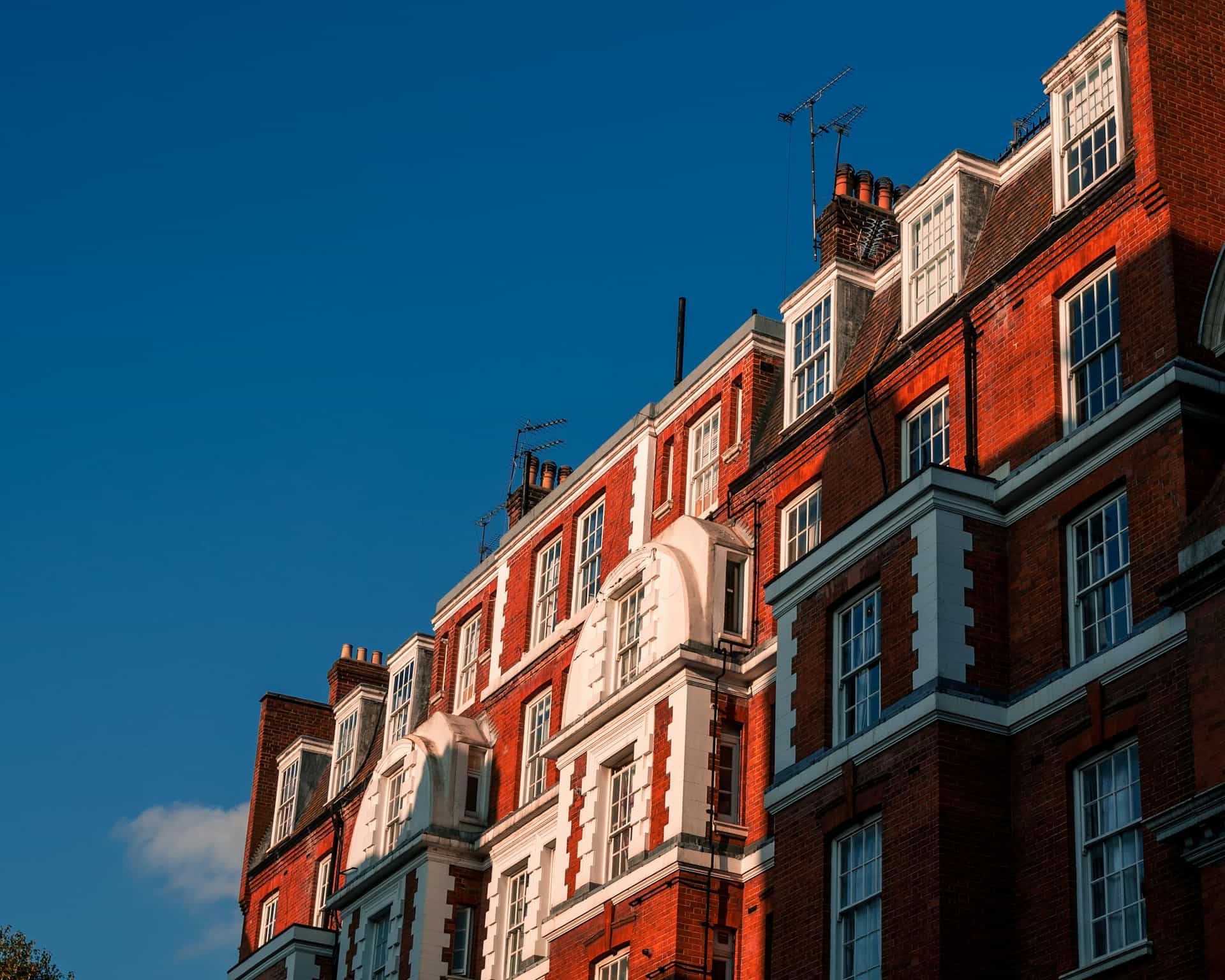
These ancient river terraces helped shape the land that now forms London’s most sought-after neighbourhoods. Knowing this long history makes living by the river special. The Thames is more than just a body of moving water… it is a record of the past.
The Birth of the Port: Romans, Royals, and Riches
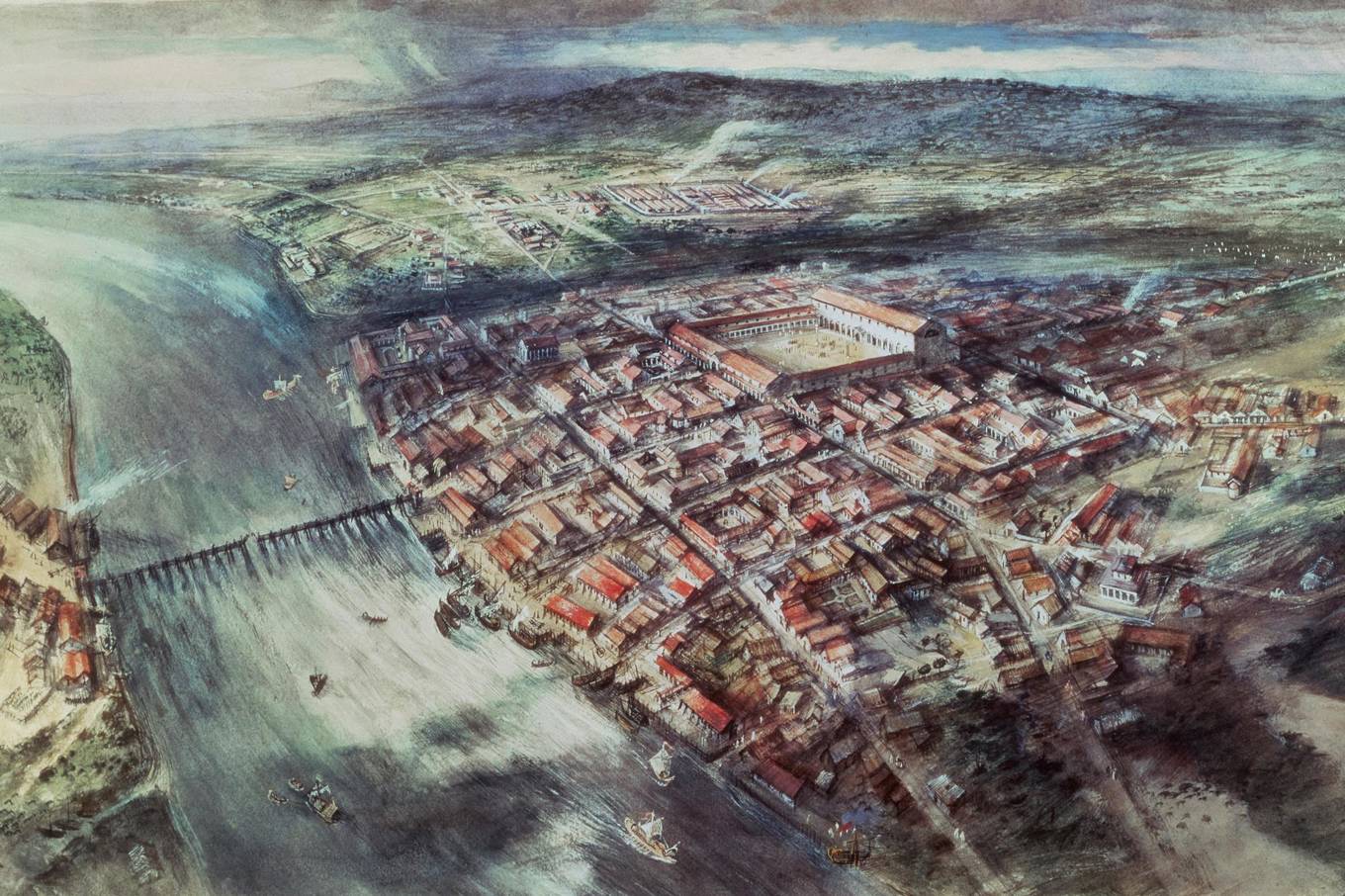
In AD 50, Roman engineers chose a narrow, easy-to-bridge spot on the Thames to build Londinium, a new trading settlement. They built the first wooden version of London Bridge, turning the river into a busy port and linking the city’s future to the Thames.
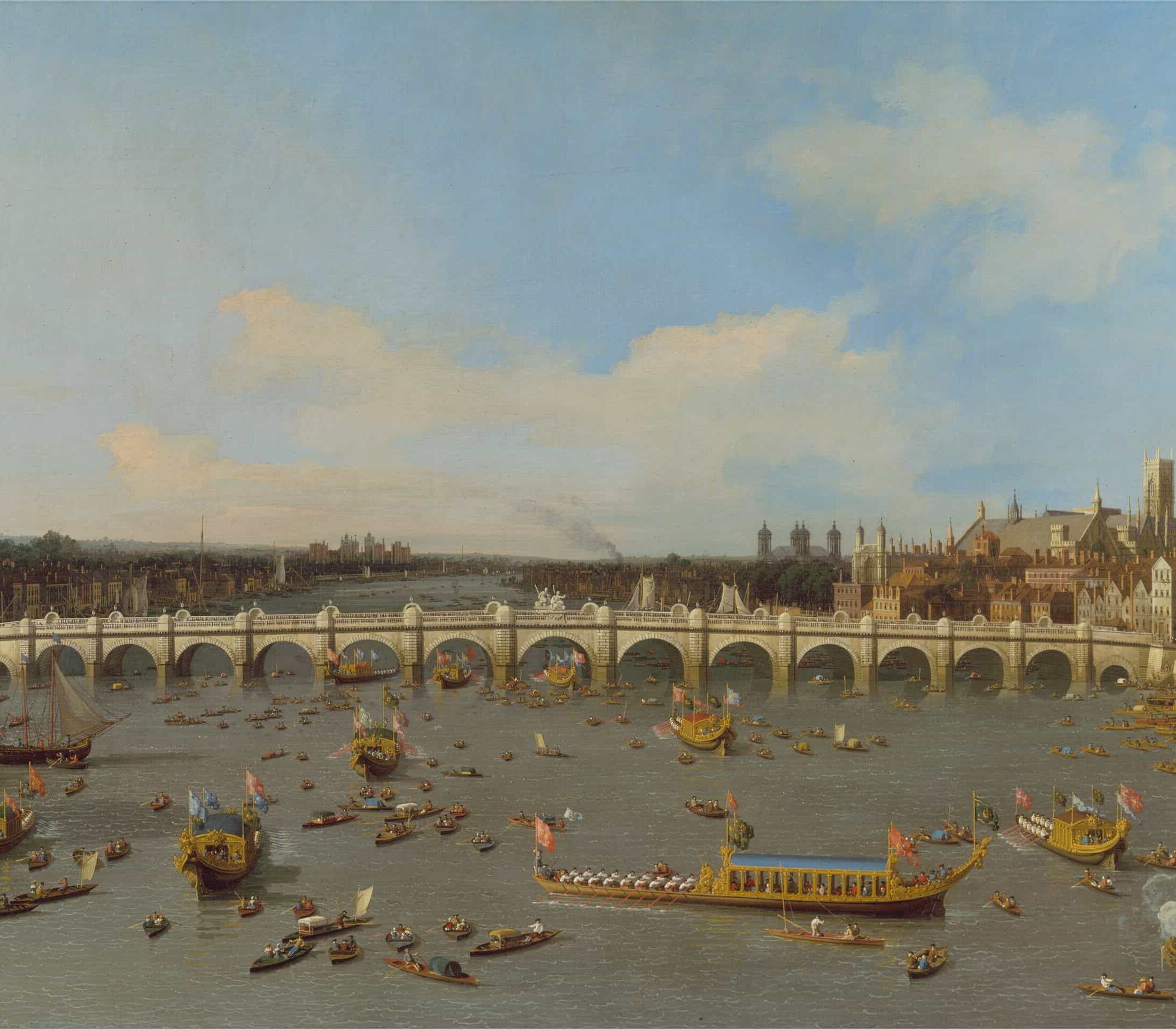
Over time, the Thames turned out to be more than a trade route; it was also a symbol of royal power. Monarchs built grand palaces along its banks and travelled between them by barge, from Hampton Court to Whitehall and Greenwich, instead of using the city’s difficult roads.
This long history of wealth and prestige helped shape London’s most exclusive neighbourhoods. In 2026, with the first full year of the Thames Tideway Tunnel, this royal legacy is better protected than ever. The new “Super Sewer” has stopped 95% of sewage spills, making the river by these famous sites cleaner than it has been in generations. To learn more about how you can live by this historic river, speak to our friendly team at Crown Luxury Homes.
The Dark Age: Industrialisation and The Great Stink (1858)
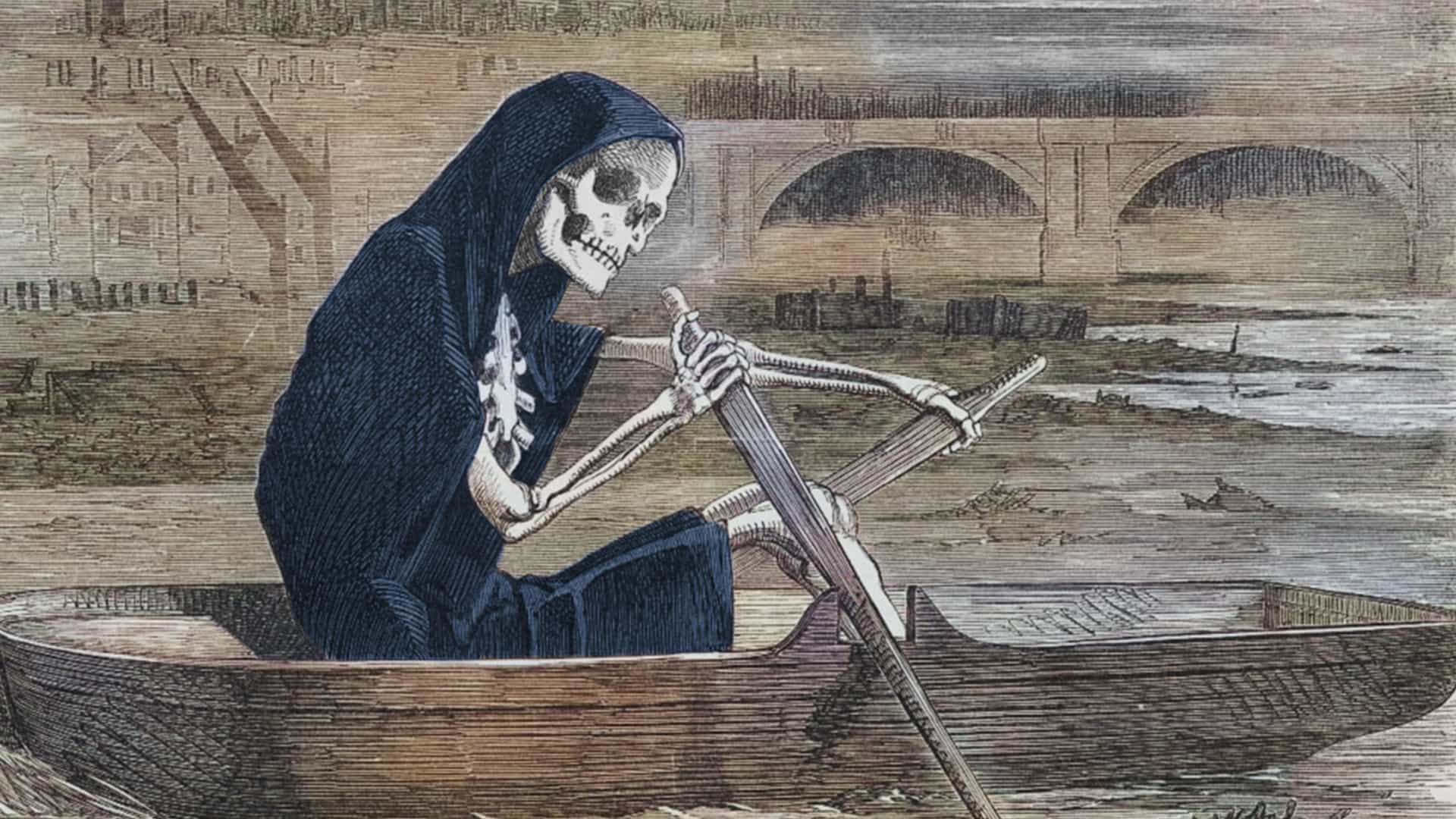
By the nineteenth century, London’s growing population and industry had badly damaged the Thames. The river became an open sewer, filled with chemicals and waste. In 1858, this led to the Great Stink, when the smell from the river was so strong that Parliament had to stop meeting because of the overwhelming smells carried by the river.
Sir Joseph Bazalgette, a skilled engineer, solved the problem by designing a large underground sewer system to collect waste. He also built the Victoria, Albert, and Chelsea Embankments, which narrowed the river and helped flush waste out to sea, while continuing to shape modern London.
However, as London grew, even Bazalgette’s system could not keep up. In 2026, the Thames Tideway Tunnel marks a new chapter by stopping 95% of sewage spills, the biggest improvement in over a century. The historic embankments now border some of London’s most desirable homes.
The 2026 Resurrection: The Era of the Clean River
The Thames reached its worst point in the mid-twentieth century. After years of pollution and poor drainage, it was declared “biologically dead” in 1957 because there was almost no oxygen left in the water. This was a major loss for an ecosystem that had survived for thousands of years. But the river’s story did not end there.
In 2026, the Thames Tideway Tunnel has completed its first full year of operation. This £4.5 billion project has changed London’s infrastructure by capturing millions of tonnes of storm sewage before it reaches the river. It has stopped 95% of sewage spills, making it the biggest environmental improvement since Victorian times.
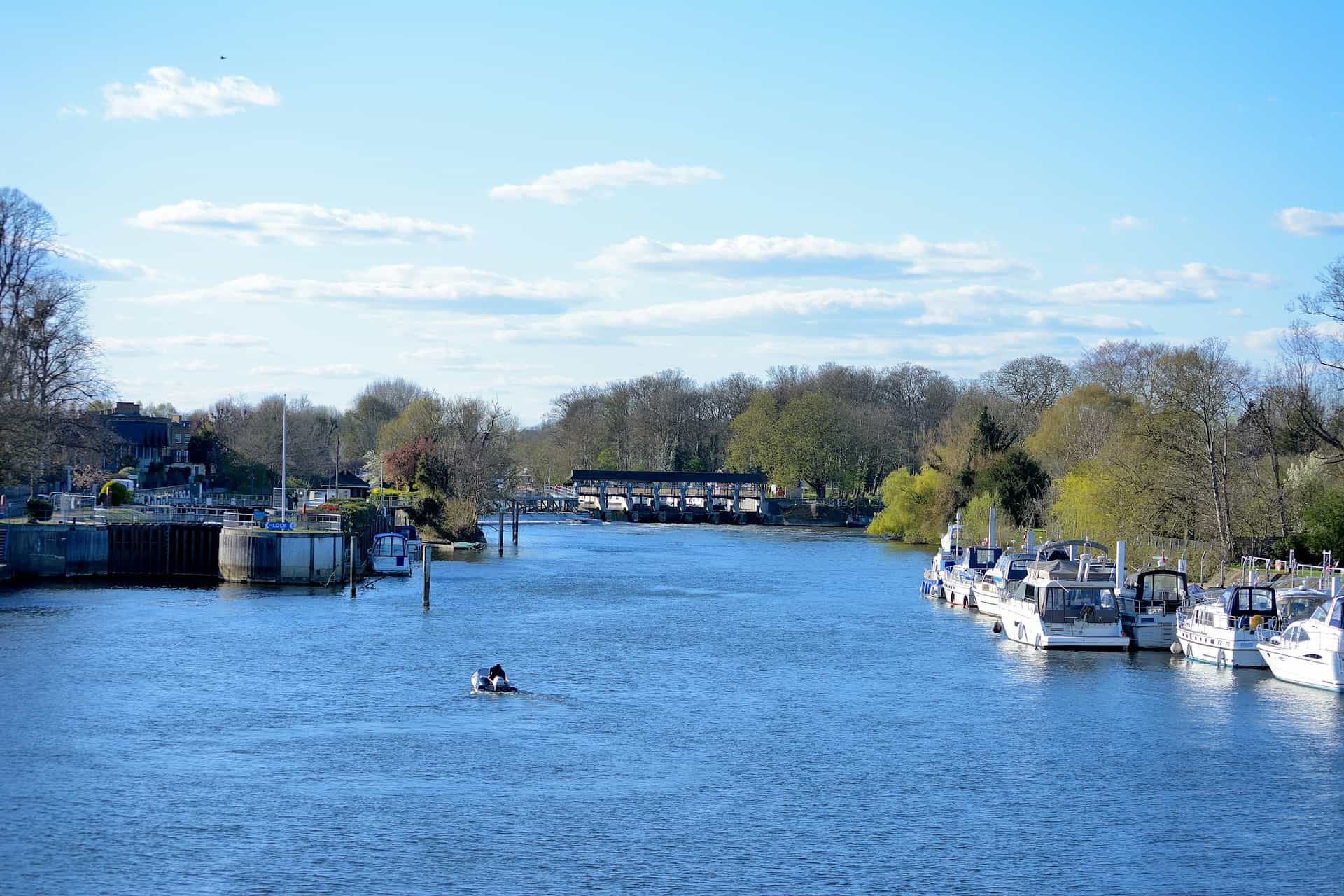
Because of this restoration, the Thames is alive again. It now supports over 120 fish species, as well as seals, porpoises, and many birds. This change has made riverside areas some of the most desirable places to live in London, combining natural beauty with modern luxury.
Now is a great time to consider living by London’s waterfront. To learn more about these top properties, talk to us at Crown Luxury Homes.
Why This Matters to Our Readers
The recovery of the River Thames is not only a win for conservationists; it also changes how people live, invest, and experience London.
For tourists: Walking by the river is now a chance to experience London’s long history. The clean water makes every landmark feel more meaningful and alive.
For tenants: Living by the riverside brings a sense of pride and responsibility. Places like London Dock in Wapping or Wood Wharf are not just great addresses… they are modern homes built on a rich history.
For landlords: The river’s revival proves that the Thames is central to London real estate. No matter how the city changes, properties with river views and access will always be in high demand and hold their value.
In 2026, as we celebrate the first full year of the Thames Tideway Tunnel, the river has entered a new era. By stopping 95% of sewage spills, this “Super Sewer” has brought the biggest environmental improvement since Victorian times.
This has greatly improved life along the river, making riverside homes more desirable than ever. To learn about these top waterfront properties, contact us at Crown Luxury Homes.
Quick-Reference Timeline Summary
| Era | Key Event | Modern Legacy |
| Prehistory | Glacial shifts push the river south. | Carved out the modern Thames Valley and Goring Gap. |
| AD 50 | Romans establish Londinium. | Built the first river crossing at modern London Bridge. |
| 1858 | The Great Stink shuts down Parliament. | Led to Sir Joseph Bazalgette’s historic embankment and sewer system. |
| 1980s | The Thames Barrier is completed. | Protects modern central London from catastrophic tidal flooding. |
| 2025–2026 | The Super Sewer goes fully operational. | Cleans up 95% of wastewater spills, restoring natural biodiversity. |