

The City of London Operational Environment
The process of managing prime residential properties in the areas EC1 to EC4 involves a number of logistical difficulties and engineering requirements that are seldom found in suburban buy-to-let properties. In the Square Mile, routine trade visits incur considerable costs before any repair tool even touches the property.
Contractors have to pay fixed daily overheads such as the ULEZ and Congestion Charges, together with strict parking limitations and complicated delivery bays. Within the development, concierge teams implement strict “Permit to Work” rules which restrict noisy work to a narrow range of operating hours (usually from 10:00 to 16:00). If a contractor is unable to get access by lift or fails to finish the job within the time allowed, the landlords have to pay repeat visit fees amounting to hundreds of pounds.
Moreover, the buildings have very strict architectural requirements; solid-core acoustic fire doors, multipoint latch systems, and acoustic floating floor enhancements mean that standard off-the-shelf replacements are not compliant. A worn, ignored £30 latch mechanism can easily cause the engineered door leaf to warp, requiring a specially made, certified FD30 replacement that costs more than £1,500. Combined with high-pressure water mains in tall buildings, small leaks can escalate quickly, so address issues before they require an expensive emergency visit.
City Apartment Maintenance Escalations: Four Real-World Cases
In the taller buildings in the City, minor wear to components doesn’t remain confined to a single area. Because of the increased main pressure, the shared service risers and the structural acoustic layers, normal wear ends up causing serious losses in a number of tenancies.
1: The deteriorated silicone seal and the wet-room grout
- The proactive remedy, which costs between £250 and £400, involves scheduling a specialist visit to remove the cracked perimeter silicone, clear any contamination from the joint, and then reapply both the mould-resistant sanitary sealant and the epoxy grout.
- The situation worsens when water passes around the damaged tanking membrane, soaking the acoustic subfloor screed before dripping down the communal service risers, causing the plasterboard ceilings to collapse and destroying the custom-made joinery and the home-office equipment in the apartment below.
- The costs involved (£12,000–£35,000 and above) include industrial dehumidification, the decorative restoration of multi-flat properties, notices for breach of the freeholder leasehold agreement, and the standard block insurance excess (which is typically in the range of £3,500 to £7,500 for water ingress in EC postcodes).
2: The spindle on the Slack Door of heavy acoustic sets
- The Proactive Fix (price ranging from £180 to £250) involves a carpenter tightening the loose grub screws, replacing the worn spindle, and realigning the heavy acoustic latch-plates.
- The situation worsens when the solid-core doors apply continuous leverage to the spindle until the internal mortise lock snaps itself shut. A corporate tenant is left locked out at 01:00 AM, and the locksmith working outside normal hours has to drill through the lock case, breaking the certified FD30 acoustic core and the matching timber veneer
- The consequences (prices ranging from £2,000 to £4,000 or more) include emergency call-outs, the remanufacturing of certified fire door leaves, specialised veneer finishing, and the replacement of architectural ironmongery.
3: HIUs that are weeping and fan coil condensate trays that are blocked
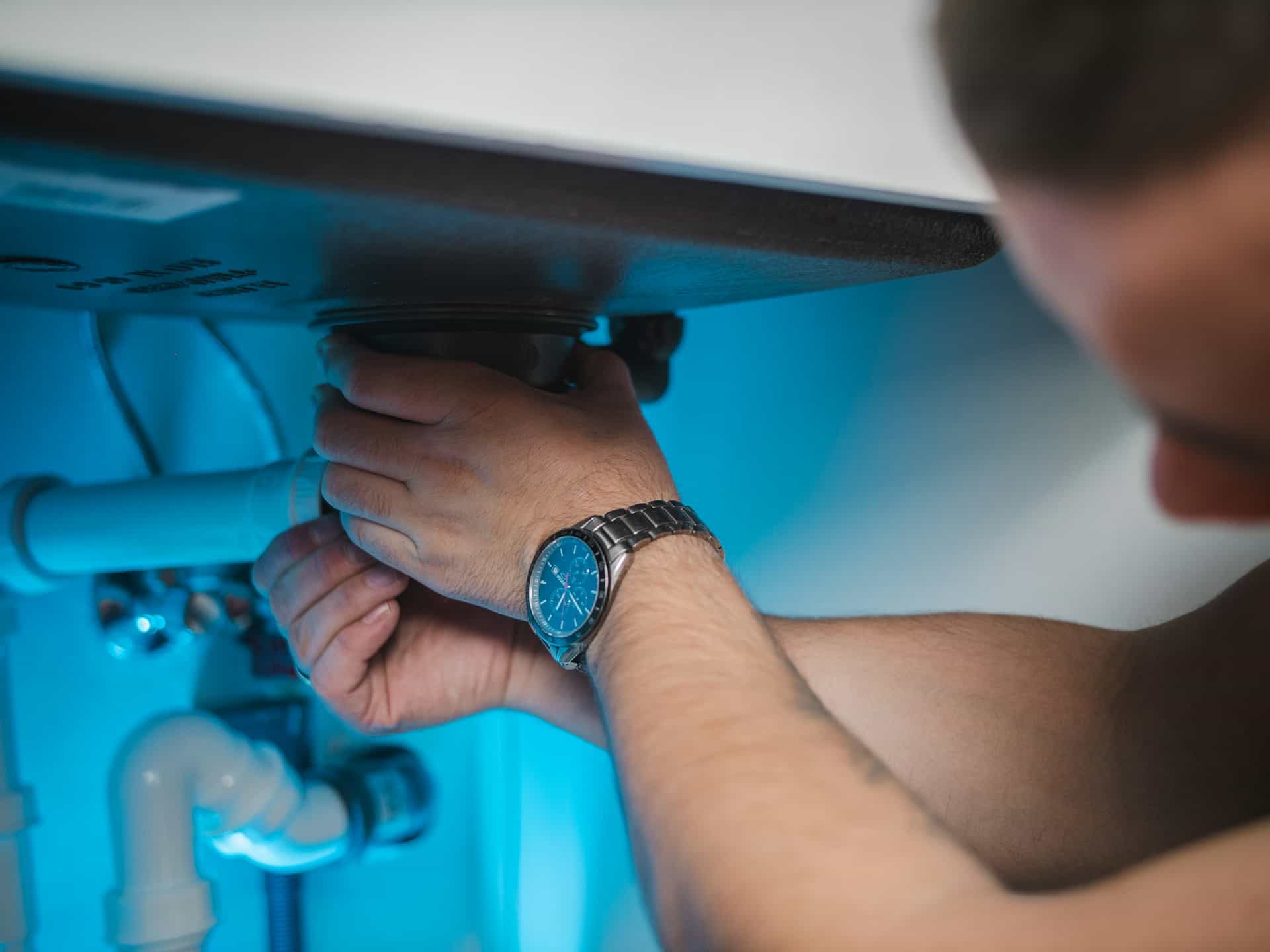
- The Proactive Fix (price range: £250 to £350) involves an annual service carried out by an HVAC engineer to clear the condensate lines of the Fan Coil Unit (FCU) and to replace the weeping isolation flexi-hoses of the Heat Interface Unit (HIU).
- The situation worsens when, with the main pressure boosted to under 3.5 bar, a weeping braided hose bursts within a hidden utility cupboard; alternatively, the drip tray on the FCU overflows and soaks the floating subfloors, causing the electrical cables in the sub-screed to short.
- The Fallout (price ranging from £25,000 to £60,000 and above): this involves completely replacing the continuous engineered oak flooring in the open-plan living areas, rewiring the concealed floor boxes, and also providing funding for hotel accommodation together with corporate rent rebates.
4: Blocked the balcony outlets on the upper-level terraces
- The Proactive Fix (costing between £200 and £280) involves clearing out the terrace drainage gullies, debris grates, and overflow scuppers on a seasonal basis.
- The situation worsens when the urban silt, carried by high-altitude winds, blocks the terrace drains. When there is a sudden downpour in London, the water pools above the drainage threshold of the balcony, exceeds the weathering upstands, and then rushes underneath the sliding track system into the living room.
- The aftermath (costing between £15,000 and £40,000 or more) includes water-damaged subfloors, destroyed perimeter skirting, the need for structural drying, and remedial facade inspections which are required by the block management.
Corporate Tenant Retention and Freeholder Compliance
In the best residential developments, the performance of properties depends on satisfying demanding corporate tenants while meeting the various leasehold covenants.
Protecting Corporate Tenancies
In the areas covering EC1 to EC4—where the residents are mainly legal partners, investment directors, and fintech executives—people pay high premiums in order to have a trouble-free standard of living. If a comfort cooling system fails, there is a continuous rattle in the plumbing, or there is a drafty acoustic seal, this soon leads to formal complaints, requests for a reduction in rent, or the decision not to renew the tenancy. These professionals have no tolerance for repeated visits by contractors or for issues that remain unresolved; quick and preventive action is essential for protecting the rental income and for preventing lengthy periods when the property is vacant.
Mitigating Freeholder Liabilities
The high-density towers have strict rules in place concerning the management of blocks. If uncontrolled water seeping into the communal risers causes the passenger lifts to be switched off or damages the fire-stopping parts, official breach notices are issued to the freeholder, punitive administrative fees are applied, and the insurance excess must be reclaimed.
Planned preventative maintenance shifts your portfolio from crisis management to predictable financial performance:
- Ensure sustained net yields by getting rid of the need for compound emergency trade call-outs.
- Maximise the operational life of costly mechanical systems (HIUs, FCUs and boosted pumps).
- Stay compliant with statutory requirements by keeping up with changing habitability standards, structural moisture regulations, and block covenants.
Guard your rental income and stop leasehold disputes from arising beforehand by booking an audit of your City apartment with Crown Luxury Homes’ City Lettings & Block Management Team.
What’s the advantage of choosing Crown Luxury Homes
To manage prime residential properties in the City of London, an appropriate operational infrastructure having to meet the particular requirements of high-rise buildings is needed, since standard high-street agencies do not possess the specialist supplier networks and logistical procedures necessary for operating in the Square Mile.
- We have a certified, fully insured network of contractors with experience in high-density engineering, including carrying out complex HIU diagnostics and making acoustic door adjustments. Our teams carry out their work using pre-approved credentials and deal with the logistical issues associated with the Congestion Zone, parking limitations, and building security clearances, all without any administrative hassle.
- For high-rise developments, strict compliance with the building rules is essential, and we deal directly with the on-site building managers, the concierge desks, and the managing agents, handing in all the necessary “Permit to Work” documents, RAMS, and lift reservations to make sure that compliance is achieved within the specified working hours
- By addressing small mechanical and structural faults before they cause problems for your tenants, our proactive maintenance approach helps to preserve the long-term value of the assets, avoids the risk of having to vacate the property during tenancy, and ensures that demanding corporate tenants remain in the building.
Take a thoughtful step to reduce the risks associated with your EC property portfolio by booking an audit of your City Apartment with Crown Luxury Homes’ City Lettings and Block Management team.
City of London Maintenance Escalation Reference Matri
| Maintenance Focus | Initial Minor Defect | Neglected Escalation Outcome | Early Fix (City Call-out) | Neglected Total Cost (City) |
| Bathroom Silicone & Grout | Degraded sealant or hairline grout crack. | Ingress down service riser; multi-floor ceiling & tech damage. | £250 – £400 | £12,000 – £35,000+ |
| Acoustic Door Ironmongery | Loose handle or misaligned spindle. | Mechanism failure; emergency lock breach; damaged acoustic door. | £180 – £250 | £2,000 – £4,000+ |
| HIU / Flexi-Hose Plumbing | Weeping hose / unserviced HIU. | Mains-pressure burst; electrical shorting; floor replacement. | £250 – £350 | £25,000 – £60,000+ |
| High-Rise Terrace Outlets | Debris blocking balcony drainage. | Threshold overflow; destruction of timber floors & drywall. | £200 – £280 | £15,000 – £40,000+ |