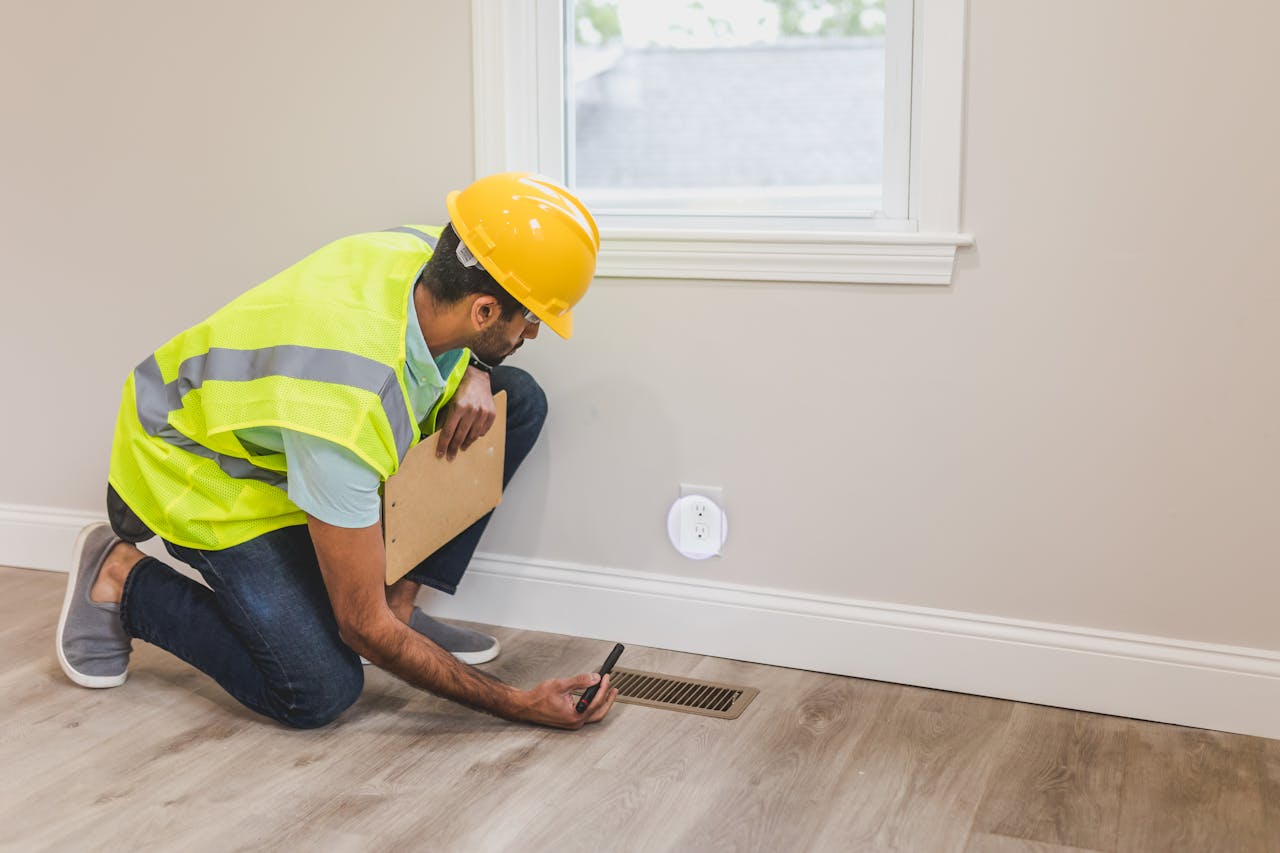

The Core Requirements: Fixed Timeframes
The most significant operational change introduced by Awaab’s Law is the imposition of legally fixed timeframes. These are the maximum permissible deadlines, and proactive landlords should always strive to act faster.
The law categorises hazards into two initial tiers, each demanding a rapid response:
1:Emergency Hazards
Issues that pose an immediate and significant risk of harm (e.g., major gas leaks, dangerous electrical faults, structural failure, or severe, major leaks) require the fastest action:
- Investigation and Safety Work: Must be carried out and made safe within 24 hours of the landlord being made aware.
2: Significant Hazards
This tier includes issues like dangerous damp and mould that pose a significant risk of harm to health and safety.
- Investigation Deadline: The potential hazard must be investigated within 10 working days.
- Repair Start Deadline: If the hazard is confirmed, safety work must begin physically within five working days.
- Tenant Report: The landlord must provide the tenant with a written summary of the investigation’s findings and the planned work schedule within three working days of the investigation’s conclusion.
- Preventative Work: Crucially, any supplementary work to prevent recurrence must be started within 12 weeks.
Expanding the Scope
While damp and mould are the immediate focus, the regulations are scheduled to expand rapidly. In 2026, the law will extend to include hazards presenting a significant risk of harm, such as excess cold/heat, fire, electrical hazards, and falls associated with stairs or structural collapse. By 2027, the regulations will encompass virtually all remaining hazards under the Housing Health and Safety Rating System (HHSRS) that pose a significant risk of harm.
Consequences of Failure and Financial Risk
Awaab’s Law introduces severe consequences for landlords who fail to meet the new, non-negotiable fixed deadlines. The financial and legal risks are substantial and designed to force operational compliance.
The Cost of Inaction
The most immediate high-cost requirement relates to property safety. Suppose your property cannot be investigated and made safe within the specified timeframes (e.g., 24 hours for an emergency hazard). In that case, you must secure and pay for suitable alternative accommodation for the tenant at your expense until the home is safe to reoccupy. This ‘decant’ requirement, even for a short period, can be a significant unexpected outlay.
Legal Exposure
Failure to comply empowers tenants with a clear legal route for redress. By integrating the fixed deadlines directly into the tenancy agreement (a feature to be mirrored in the PRS extension), a breach of Awaab’s Law becomes a breach of contract. Tenants will be empowered to seek legal action leading to:
- Court-Ordered Repairs: Forcing you to complete the work.
- Compensation: Financial awards to the tenant for distress and damages.
- Cost Recovery: The landlord is often ordered to cover the tenant’s legal costs, potentially turning a minor repair issue into a five-figure legal bill.
A Widening Scope
While the initial focus is on emergency hazards and significant damp and mould, the law’s scope is phased to widen rapidly. In 2026 and 2027, the regulations will extend to cover a comprehensive range of health and safety hazards under the HHSRS, including fire risks, electrical faults, excess cold, structural integrity, and sanitation issues.
Landlords must understand that Awaab’s Law operates alongside, not in place of, existing legal duties, such as the Homes (Fitness for Human Habitation) Act 2018. A holistic, proactive approach is now the only safe and responsible strategy.

Proactive Preparation for Private Landlords
Compliance with Awaab’s Law demands a crucial operational shift from a reactive approach, where repairs are completed when convenient, to a proactive strategy focused on strict, fixed deadlines. The clock starts ticking the instant you become aware of a potential hazard, whether through the tenant, a third party, or even a routine inspection. The day this happens is counted as ‘day zero’.
Key Preparatory Steps
- System Audit and Triage: Immediately establish a clear, auditable reporting system. This system must log the exact time and date of complaint receipt and include a robust triage procedure to classify the hazard (Emergency vs. Significant). Take reasonable steps to understand the household’s vulnerability, as this influences the severity of the risk.
- Contractor Readiness: Secure formal contracts with reliable, skilled tradespeople and surveyors who can guarantee a 24-hour emergency response. Your supply chain must be capable of meeting the tight deadlines.
- Proactive Inspection: To avoid escalation, increase the frequency of property inspections. Use these visits to diagnose and fix minor issues, such as poor ventilation, blocked drainage, or slight dampness, before they escalate into an official “significant hazard” covered by the law.
- Meticulous Record Keeping: This is your only defence. Maintain thorough, date-stamped records of all tenant communications, investigation findings, work quotations, and completed repairs. This detailed evidence proves you met the strict timeframes.
Encourage tenants to use specific, clear reporting channels, as a report to a managing agent or even another department of your business can trigger the deadlines. Your awareness starts the process.
The Role of the Professional Agent
Awaab’s Law introduces a level of complexity and speed that makes reliance on ad-hoc, reactive property management a thing of the past. For private landlords, partnering with a professional agent is fast becoming a necessity for compliance.
The law’s strict, rapid deadlines, like the 24-hour response for emergency hazards, are impossible to meet consistently without dedicated, round-the-clock resources. As the deadlines extend to the PRS, the risk of financial penalties, court-ordered repairs, and substantial legal costs will rise dramatically for self-managing landlords.
This is where a professional agent, like Crown Luxury Homes, becomes indispensable. We provide the essential infrastructure required to mitigate these high risks:
- 24/7 Availability: Our teams are structured to ensure immediate response, so the day-zero clock is never breached by an unread email or unanswered phone call.
- Rapid-Response Network: We maintain a vetted network of skilled, local contractors who are contractually obliged to meet the 24-hour investigation and the 5-working-day repair start deadlines.
- Robust Documentation: We provide meticulous, date-stamped record-keeping to prove compliance, serving as your only robust defence against potential legal action.
Entrusting your property management to a professional partner ensures operational efficiency, protects your investment, and, most importantly, protects your tenants’ health by guaranteeing a rapid response to serious hazards.
Would you like to schedule a consultation with our property management team to audit your current compliance strategy?
Conclusion: A New Benchmark for Safety
Awaab’s Law is a profound and emotional response to tragedy, setting a benchmark for property safety and landlord responsiveness across the entire UK. Its imminent extension to the Private Rented Sector (PRS) is a non-negotiable reality that will fundamentally restructure how private landlords operate.
The key takeaway is that the era of delaying repairs or letting issues linger is over. The law demands a shift to a fixed, rapid-response model: 24 hours for emergencies and 10 working days for investigating significant hazards such as damp and mould. Failure to meet these legal deadlines will expose landlords to substantial financial penalties, the cost of alternative accommodation, and the inevitability of legal action.
Preparation is mandatory. Landlords must immediately audit their reporting systems, secure rapid-response contractor agreements, and commit to proactive maintenance. The time for moving beyond mere awareness is now.
By embracing these operational deadlines, you protect your tenants’ well-being, safeguard your investment, and ensure your business remains compliant and resilient in this new regulatory landscape.
Would you like our team at Crown Luxury Homes to produce a complete checklist of actions required to bring your property management in line with Awaab’s Law? Contact us today to discuss your needs.