
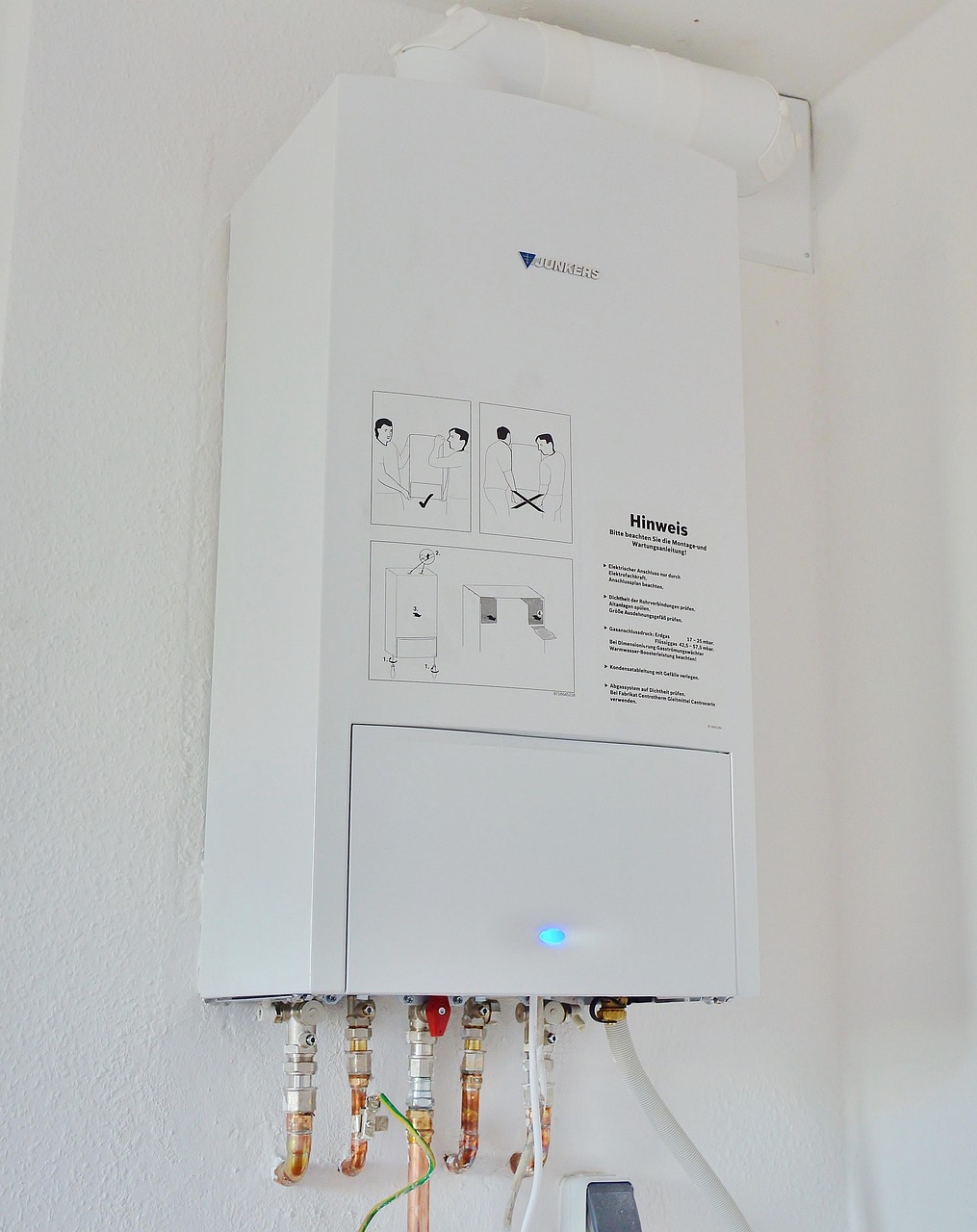
The First-Freeze Rush: Why Waiting Is a High-Risk Gamble
To postpone heating maintenance until November is a costly risk when it comes to your portfolio. For five or six months during the spring and summer, central heating systems are mostly inactive. While they are inactive, the water becomes stagnant which causes limescale to build up on the sensitive sensors, the expansion vessels slowly lose their baseline pressure, and the internal motorised valves become stiff.
When a sudden freeze strikes the City of London, corporate tenants switch their thermostats from low to maximum. Systems which have been left inactive for a long time and are then suddenly made to operate at peak load inevitably fail due to the thermal and mechanical shock.
Waiting for this heating failure guarantees operational gridlock:
- When the first cold snap occurs, mechanical engineers have to deal with huge backlogs throughout the Square Mile and standard call-outs can take several days.
- Specialised components—for example, district-network HIU differential pressure control valves (DPCVs) or commercial boiler heat exchangers—often suffer from sudden delays in the supply chain during the peak season.
- Causing damage to assets: if a valve sticks or a seal on the pump deteriorates and this problem is ignored in October, it can lead to serious leaks in the pipes or to the complete failure of the unit by December.
HIU vs Standalone Boiler: Critical Pre-Winter Checks
The different architectural designs found in central London call for separate mechanical approaches; when it comes to dealing with high-density towers on shared district networks or with boutique conversions that have private plant systems, targeted diagnostic inspections are necessary before winter.
Heat Interface Units (HIUs) in Prime High-Rises
- Because of London’s hard water aggressive calcium deposits are formed. Chemical descaling is used to ensure that there is a quick transfer of heat from the primary building loop to the domestic circuits and to prevent the radiators from being only lukewarm.
- Motorised two-port valves and differential pressure control valves (DPCVs) tend to stick when they have been left unused over the summer, so it is necessary to exercise them and recalibrate the assemblies in order that they may respond promptly when the thermostats request heat.
- The cleaning of the strainer and the integrity of the vessel are ensured by flushing the internal mesh strainer to remove the suspended network grit before it clogs the flow meters, and by carrying out inspections of the expansion vessel to prevent pressure loss lockouts.
Boilers and Unvented Cylinders in Boutique Conversions
- For the combustion analysis and flue verification, a full Gas Safe diagnostic is carried out to check the burner pressure, the flame picture, and the flue seals in order to ensure compliance with the statutory requirements for landlords and to maintain operational efficiency.
- The use of hydronic cleansing in combination with magnetic filtration removes magnetite sludge and thus eliminates cold spots in the radiators while also protecting the pump impellers from abrasive wear.
- Checking the cylinder and relief valves by testing the temperature and pressure relief valves (TPRVs) and the expansion charges will avoid catastrophic pressure relief discharges.
The True Impact of Heating Downtime: Proactive vs Reactive
In top-quality rentals in the City of London, a heating failure has consequences that go well beyond just making an evening unpleasant for your renters. When executive tenants—such as corporate legal advisers and finance directors—have just finished long shifts in the Square Mile, they expect their domestic facilities to work without any problems. If the heating fails for an extended period during the winter, it damages professional confidence, leads to rent being withheld, and puts at risk the renewal of high-value leases.
From an engineering perspective, reactive delays also trigger cascading plant failures:
- The mechanical wear is increased because, with a partially scaled plate heat exchanger or a sticking bypass valve, the circulation pumps are made to operate continuously under high head pressures, which in turn speeds up the failure of the pumps and causes the PCB control boards to blow.
- There is a secondary structural risk involving the possibility of pipework freezing when outages last for a long time, which in turn can cause serious leaks on both the underfloor heating manifolds and the special parquet flooring.
- In luxury high-rises, emergency call-outs are almost never simple. To gain out-of-hours access from tradespeople, strict security permits from the concierge, clearances for using the lifts, and adherence to strict noise restrictions must all be obtained. A repair that normally takes just two hours can easily turn into a duration spanning several days due to these logistical difficulties.
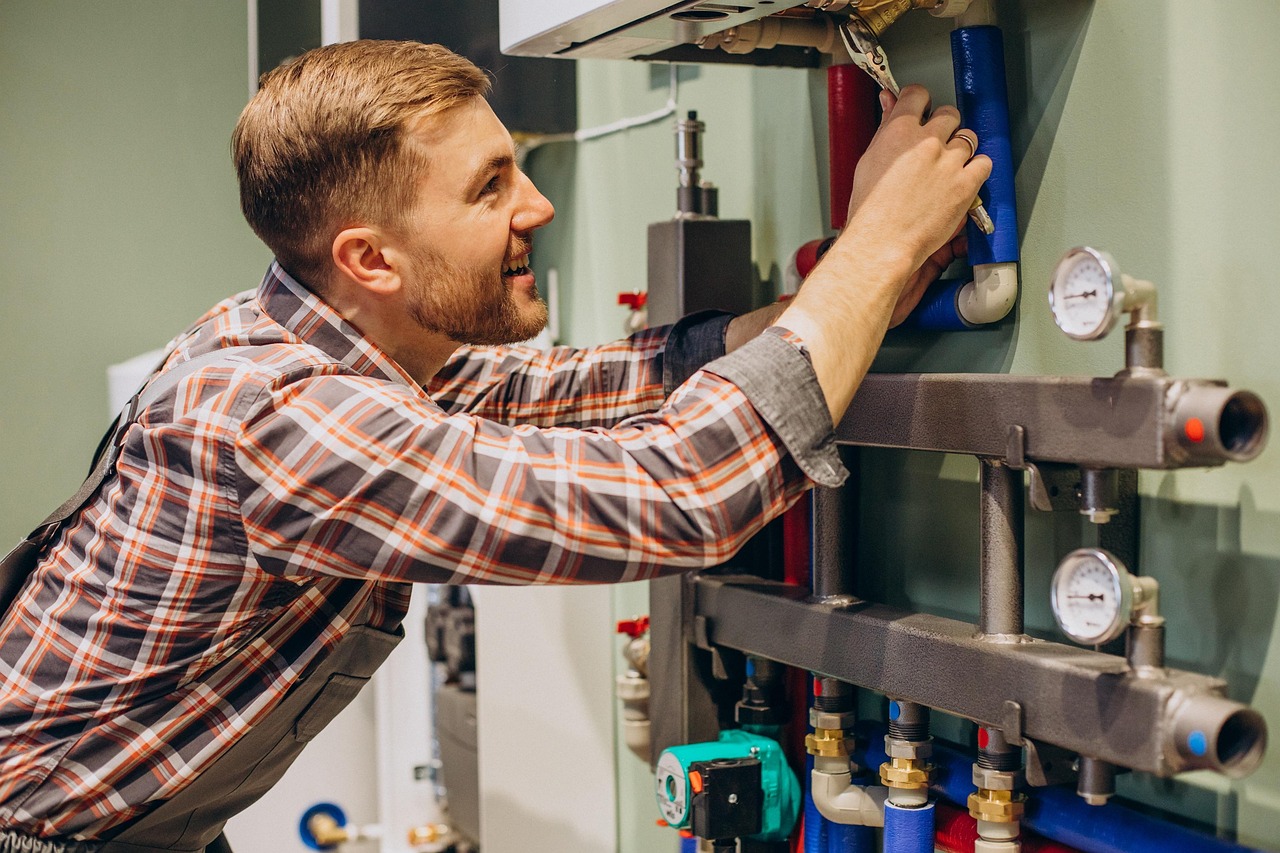
The Proactive Winterisation Playbook for Landlords
To reduce the risks associated with winter heating breakdowns, you need to take a disciplined, systematic approach rather than carrying out ad hoc repairs. Those institutional and private landlords who are in charge of prime City properties should adopt a proactive strategy consisting of three points before October ends:
- For the early-season trial runs, instruct the property managers or tenants to switch on the heating circuits for 45 minutes during the mild weeks of autumn. This operational test will show any slow-acting diverter valves, trigger diagnostic error codes, and detect pressure drops, provided that the non-emergency maintenance slots are still open.
- For thermal diagnostics and sludge checks, it is necessary to check that there is radiant heat in all the rooms. If the radiators are cold at the bottom and hot at the top this shows that there is a build-up of dense magnetite sludge. If this is not treated the black iron oxide build up will block the pipes, prevent the heat exchangers from receiving sufficient heat and damage the circulating pumps when the load is at its peak, necessitating an urgent powerflush to remove the sludge.
- Store the Gas Safe certificates, the HIU diagnostic outputs, and the service logs in a secure digital asset portal as part of a centralised digital audit trail. This enables instant access, which in turn facilitates statutory compliance, simplifies the process of onboarding tenancies, and helps to protect the value of the investment assets when the portfolio is disposed of.
Why Crown Luxury Homes: Purpose-Built City Heating Management
Specialised mechanical skills paired with seamless local logistics are required if heating infrastructure is to be managed in the Square Mile, and Crown Luxury Homes offers a complete operational solution which has been designed for owners of prime central London properties.
- Specialist Plant Capabilities: Our engineering network pairs certified Gas Safe technicians for boutique residential boilers with veteran hydronic specialists experienced in multi-storey communal heat networks and complex HIU architectures.
- Priority Autumn Batch Scheduling: By grouping planned maintenance across our prime City portfolio well before November, we bypass seasonal trade bottlenecks entirely—securing priority access to genuine replacement components and dedicated engineering hours.
- Frictionless Building Logistics: We eliminate the administrative burden of prime high-rise maintenance. Our operations desk directly handles concierge protocols, parking dispensations, security key releases, and contractor permits-to-work, delivering end-to-end servicing without demanding time or coordination from your tenants.
Do not wait for sub-zero temperatures to test your mechanical heating systems. Protect your tenancy yields, protect high-specification equipment, and eliminate winter downtime.
Contact our team today to schedule your Pre-Winter Heating & Infrastructure Audit with Crown Luxury Homes’ City Management & Maintenance Division.
Heating Maintenance: Proactive vs. Reactive Comparison
| System Component | Proactive Autumn Service Focus | Preventative Benefit | Neglected Winter Failure Risk |
| HIU Actuator Valves | Testing, lubricating, and exercising motorized valves. | Smooth response when heating is switched on; zero valve jams. | Seized valves; complete loss of heating during sudden cold snaps. |
| Plate Heat Exchanger | Chemical flushing and descaling of internal plates. | Maximum energy efficiency; rapid hot water delivery. | Limescale buildup causing temperature fluctuations and system shutdowns. |
| Circulating Pumps | Testing motor resistance and clearing internal mesh strainers. | Quiet, continuous water circulation across radiators/underfloor heating. | Pump burnout due to debris sludge, leading to total heating lockouts. |
| Unvented Hot Water Cylinder | Checking expansion vessel pressure and relief valves. | Stable water pressure; safe operation under high demand. | Loss of water pressure or cylinder over-pressurisation errors. |